How a blue wave crushed the tech right
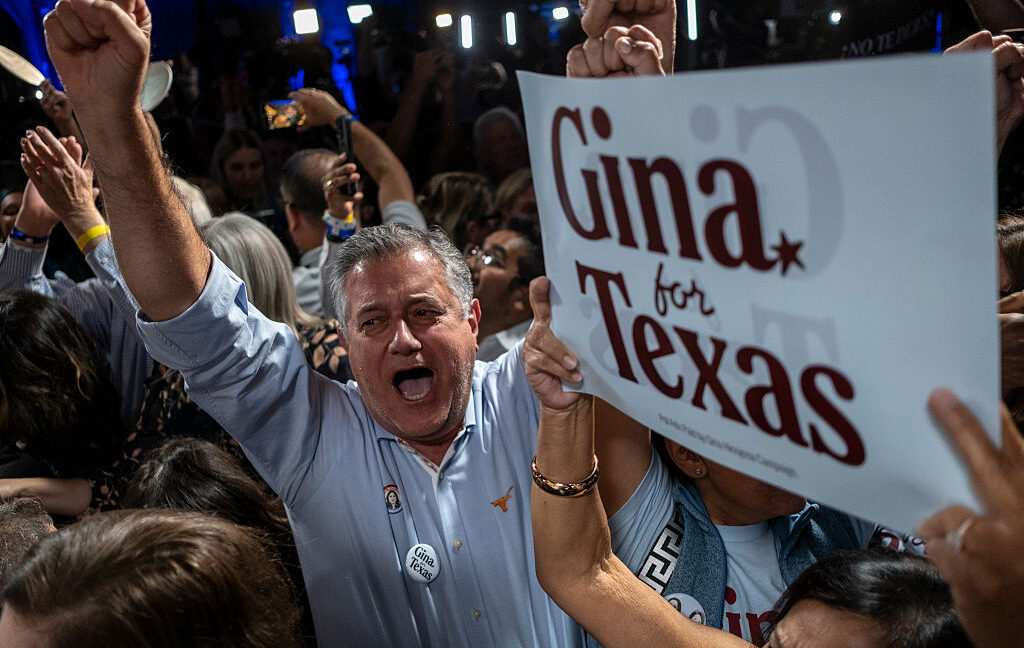
Kent NISHIMURA / AFP via Getty Images; Rebecca Zisser/BI Elon Musk spent $446 million on the midterm elections. He ended up one of the biggest losers. Democrats tapped into voter fury over data centers encroaching on their neighborhoods. Markets are confident in Big Tech stocks, but CEOs may now have to face Congressional subpoenas. Trump's presidential term doesn't end for another two years. But the political sea change against tech titans like Elon Musk starts now. For Musk, the $446 million he spent to elect Republicans in the midterms wasn't much. It amounted to about a twentieth of a percent of his net worth. In the world of politics, it seemed like a tsunami. Ultimately, Musk was the one drowned by a wave. The blue wave that swept America on election night was a repudiation of President Donald Trump's policies, including tariffs and a war in Iran that fueled inflation. It was a backlash against data centers, the physical symbols of how artificial intelligence has been taking over the world. And it was a rebuke to Silicon Valley elites and their vision for the future. Shares of Musk's SpaceX and Tesla were down 5% and 2% in Wednesday trading, respectively, after Texas voters pushed out longtime Republican governor Greg Abbott and elected Democratic candidate James Talarico for the US Senate. "Data centers in space looking pretty appealing right now," Musk wrote on X. An AI reckoning is here The market Wednesday showed that it still has confidence in many Big Tech companies, including Microsoft, Amazon, and Google parent Alphabet. Share prices slipped for chip makers Nvidia and TSMC. Worse off were Neocloud companies, which provide cloud computing services for AI customers. CoreWeave shares fell 9% Wednesday, while Nebius Group fell more than 6%. It isn't all bad news for tech billionaires. In California, they appear likely to defeat a billionaire wealth tax, the prospect of which had led Google cofounders Larry Page and Sergey Brin to leave the state. Voters may even pass a competing measure pushed by Gov. Gavin Newsom that would ban future wealth taxes. It has been two years since Big Tech bent the knee to Trump after he won the 2024 presidential election. Tech's biggest players had made a big bet on artificial intelligence, and they needed a friend in the White House. Meta CEO Mark Zuckerberg, Amazon, and others donated to his inaugural fund. Big Tech companies also put millions toward Trump's White House ballroom project. Tech executives including Mark Zuckerberg, Jeff Bezos, Sundar Pichai, and Elon Musk attended Trump's 2025 inauguration. Julia Demaree Nikhinson - Pool/Getty Images Tech giants since then have been spending mind-boggling sums of money to build data centers. They sparked anger among voters concerned that mammoth projects would drive up their electricity bills, guzzle water, and create air and noise pollution. Nationwide, data centers have decreased neighbors' water pressure, strained electric grid systems, and increased reliance on heavily polluting fossil fuels, such as natural gas or coal. NBC News' exit poll Tuesday found that 76% of voters would oppose the construction of a new data center in their community; 56% said AI and data centers were a crucial or major factor in their vote for Congress. In more than 50 local ballot measures, voters had the chance to express their displeasure toward data center construction. Results haven't been tallied for all of those elections, but the early results are clear: More than 30 measures restricting data centers passed, many of them in Ohio, home to a key data center for OpenAI's $500 billion Stargate project. Gina Hinojosa, Texas's Democratic governor-elect, has pledged to impose an immediate moratorium on building new data centers in the state. League City, a town outside Houston, also voted for a ballot measure rejecting Flock license-plate reader cameras, which many consider an intrusive form of surveillance. Democrats tapped into voter fears that AI could wipe out jobs — or all of humanity. When they take over Congress, they could force a reckoning for Big Tech's no-holds-barred AI acceleration. Democrats will now be able to subpoena tech executives and require them to testify on Capitol Hill. Sen. Ed Markey, a Democrat from Massachusetts, wrote on X that tech executives "are going to need to plant new forests for all of the subpoenas we'll be printing." At the same time, Big Tech leaders may be able to use the increased oversight as an excuse if they don't deliver on the sky-high valuations and ambitious promises they have made to investors. Don't mess with Texas Musk moved Tesla's corporate headquarters to Austin in 2021. Tesla and SpaceX both then reincorporated in Texas in 2024. Musk said he moved the companies to the Lone Star State for more favorable tax, land acquisition, and corporate legal policies. Tesla now has a large manufacturing facility outside Austin, Texas, and the company's robotaxi service operates in multiple ci
READ ORIGINAL REPORT ↗